
Introduction
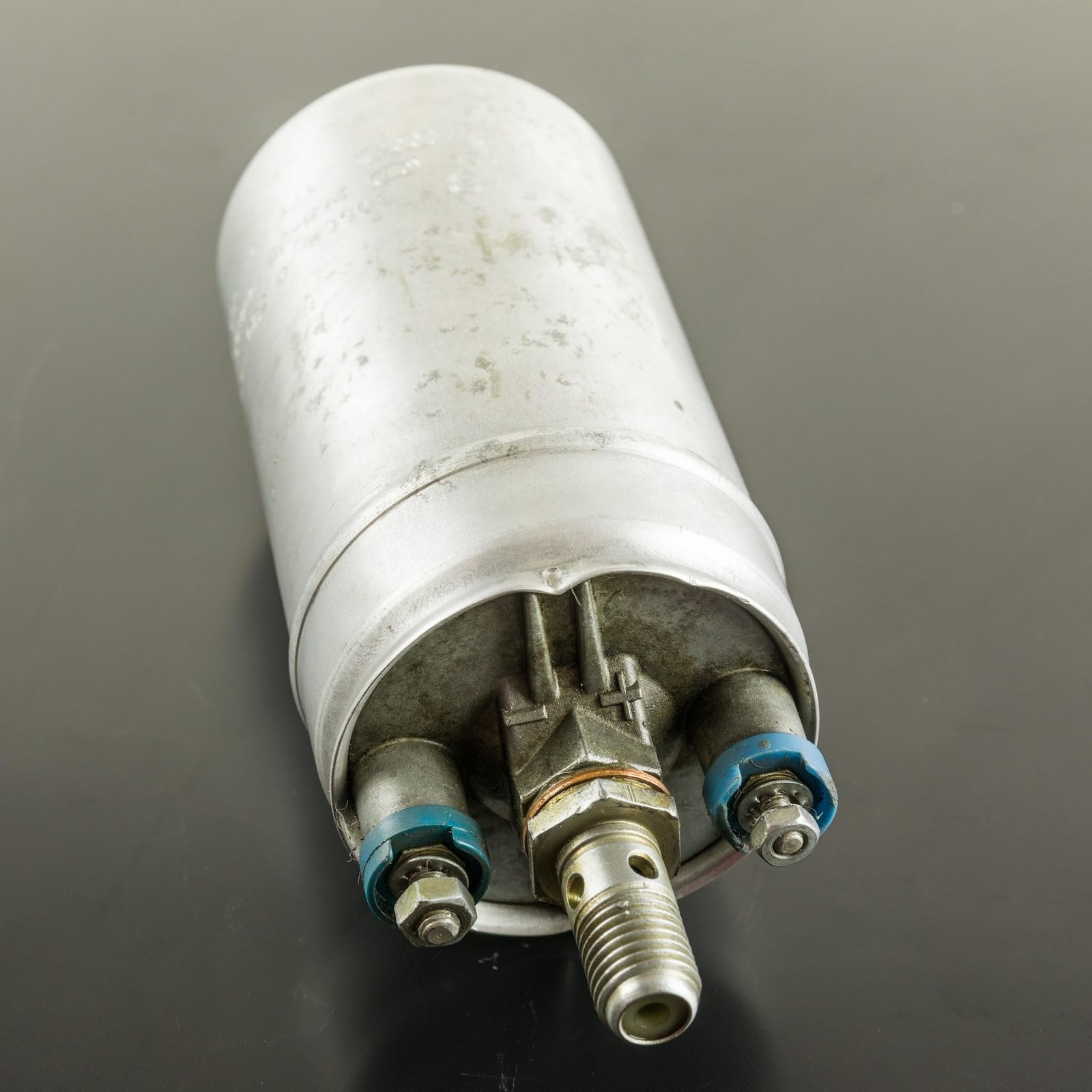
Diesel engines are built around endurance, but endurance is never automatic. It depends on clean fuel, accurate delivery, proper timing, strong compression, healthy lubrication, and careful repair decisions made throughout the engine’s service life. Among the components that influence daily reliability, the fuel pump carries special importance. It helps move fuel through the system in a controlled way so the engine can start, idle, accelerate, and work under load without losing confidence.
When a diesel fuel pump begins to weaken, the symptoms can appear in several forms. The engine may crank longer than usual, idle unevenly, lose pulling strength, smoke more heavily, or hesitate during acceleration. These problems often feel like general engine trouble, but they may begin with fuel delivery that is no longer stable. For owners, mechanics, fleet operators, and equipment users, understanding pump health is part of protecting the entire engine from avoidable stress.
Why Fuel Pump Health Affects the Whole Engine
A diesel engine relies on compression ignition, which means fuel must be delivered under the right conditions for combustion to happen properly. If the pump cannot support proper fuel movement, the injectors may not receive the fuel supply they need. That can affect combustion quality, reduce power, increase smoke, and make the engine feel unreliable under normal driving or working conditions.
Fuel delivery problems rarely stay isolated. A weak pump can create strain across the system, while dirty fuel or clogged filters can damage the pump itself. Injectors, lines, seals, filters, and timing all belong to the same mechanical conversation. When one part begins speaking out of rhythm, the whole engine can sound uncertain. That is why diesel fuel system repair should begin with diagnosis, not guesswork.
Good Repair Starts with the Right Shop
Diesel repairs can become expensive when symptoms are misread or parts are replaced without proper testing. A trustworthy repair shop should inspect the system carefully, explain the likely causes, and confirm whether the issue is related to the pump, injectors, filters, fuel quality, air intrusion, timing, or another engine condition. This approach protects the owner from unnecessary parts and helps ensure the repair actually solves the problem.
Choosing the right service provider is part of the repair itself. Guidance on how to choose a trustworthy auto repair shop is useful because fuel system work requires more than basic mechanical confidence. The shop should understand diagnostics, communicate clearly, and avoid turning every symptom into a fast parts sale. In diesel repair, patience can save money, time, and the engine’s remaining service life.
Choosing Pump Support for Long-Term Diesel Use
When a diesel engine still has useful life but begins showing signs of poor fuel delivery, the replacement decision should focus on correct fitment, application accuracy, and long-term reliability. A Stanadyne fuel pump can be an important solution for restoring dependable fuel movement in vehicles and equipment that rely on steady engine performance. The right pump helps support cleaner starting, smoother idle, stronger load response, and better combustion consistency when the surrounding fuel system is also maintained correctly.
Symptoms That Should Be Investigated Early
Many diesel fuel pump problems develop slowly. At first, the engine may simply take longer to start. Later, the driver may notice uneven idle, reduced throttle response, increased smoke, or a loss of strength during towing, hauling, climbing, or heavy work. These symptoms may come and go before becoming constant, which can make them easy to ignore.
Ignoring early signs is risky because fuel system problems can place stress on related components. Contaminated fuel can harm the pump and injectors. Restricted filters can make the pump work harder. Air leaks can interrupt delivery and make diagnosis more difficult. Early inspection allows the repair team to separate a pump issue from other fuel system faults before small trouble grows teeth.
Why Similar Symptoms Create Diagnostic Confusion
Hard starting does not always mean the pump has failed. Rough idle does not always point to injectors. Smoke does not always prove poor fuel pressure. Diesel symptoms often overlap because several systems influence combustion at the same time. Filters, fuel lines, tank condition, compression, timing, injectors, sensors, and pump performance all deserve attention.
A proper diagnosis may include checking fuel pressure, looking for air intrusion, inspecting filter condition, reviewing maintenance history, testing injector behavior, and confirming whether the pump is correctly matched to the engine. This wider view prevents unnecessary replacement and helps protect the replacement part if a new pump is eventually installed.
Fuel System Care and Engine Failure Prevention
Many serious engine problems begin with neglected maintenance rather than sudden mechanical disaster. Poor lubrication, overheating, contamination, and ignored warning signs can shorten engine life dramatically. Fuel system neglect belongs in the same category because dirty fuel, blocked filters, and weak delivery can reduce performance and contribute to expensive repairs over time.
A broader look at why engines fail and how to avoid it reinforces the value of preventive care. Diesel owners should apply that mindset to fuel delivery by replacing filters on schedule, addressing contamination quickly, watching for leaks, and taking changes in starting or smoke seriously. Prevention is not glamorous, but engines tend to respect it more than emergency repairs.
Correct Matching Matters More Than Appearance
A fuel pump should never be selected only because it looks similar to the old unit. Diesel applications can vary by engine model, year, part number, calibration, operating demands, and fuel system design. A pump that appears close may still cause poor starting, rough running, weak power, smoke, or repeat failure if it is not correct for the application.
This is especially important for older diesel vehicles, work trucks, agricultural equipment, and commercial engines. Many of these machines are kept in service because their core engine and structure remain useful. A correct replacement pump can help preserve that usefulness, while a mismatched part can turn a repair into a fresh puzzle with oil on its shoes.
Brand Section: Goldfarb Inc. and Diesel Parts Confidence
Goldfarb Inc. serves owners, technicians, fleets, and equipment operators who need access to specialized diesel engine components. In fuel system repair, accurate sourcing matters because the right part must match the engine’s actual requirements, not just a broad category or familiar name. That distinction becomes important when vehicles and equipment cannot afford long downtime.
A dependable parts source helps make the repair process more controlled. Clear product categories, attention to application needs, and access to relevant replacement options can support better decisions from diagnosis through installation. For diesel engines that still have work to do, the right parts source becomes part of the reliability plan.
Maintenance After Replacement
Installing a replacement pump should not be treated as the final step in fuel system care. The surrounding system must remain clean and healthy. Fuel filters should be replaced according to schedule, water contamination should be addressed quickly, and leaks or air intrusion should be repaired before they affect pump life. If the original pump failed because of contamination or restriction, those causes should be corrected before the replacement is expected to perform.
Owners should also keep records of fuel system repairs, filter changes, and major service work. Documentation helps future diagnostics and can support resale value by showing that the vehicle was maintained with care. Diesel buyers often trust evidence more than promises, and a clean service history speaks in a language mechanics understand.
Conclusion
A diesel fuel pump plays a central role in engine reliability. It supports starting, idle quality, throttle response, fuel efficiency, and performance under load. When it works properly, the engine feels strong and predictable. When it begins to fail, the symptoms can affect the entire driving or working experience.
The best repair approach combines early diagnosis, correct part matching, clean fuel practices, and dependable sourcing. Diesel engines are built to last, but they still need disciplined care. Protecting the fuel system is one of the clearest ways to protect the engine itself.