
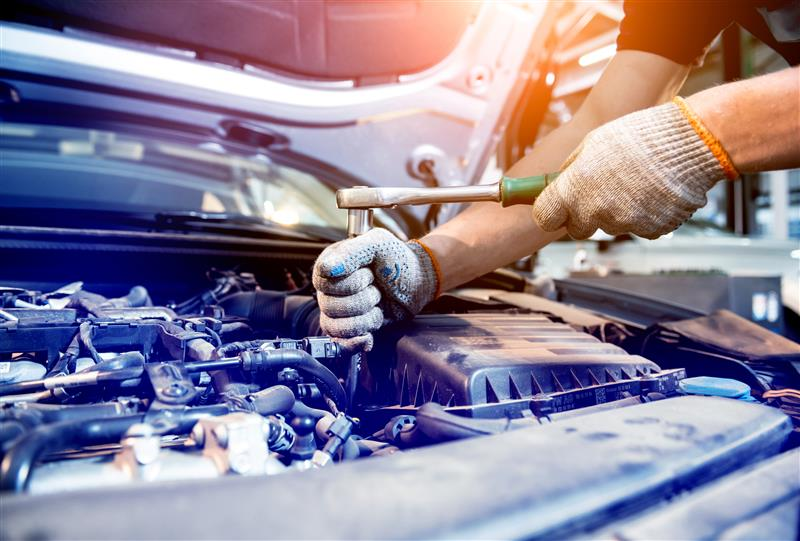
Finding a reliable auto repair shop is one of the most important decisions a car owner can make. Your vehicle is an essential part of daily life, and when it breaks down or needs maintenance, you want to be confident that the shop handling it is honest, knowledgeable, and dependable. Yet with so many repair shops available today, it can be difficult to know which ones truly offer trustworthy service.
This comprehensive guide explains the key factors to look for when choosing an auto repair shop, how to avoid common pitfalls, and why maintaining a long-term relationship with a skilled mechanic is one of the smartest choices you can make as a vehicle owner. If you’re searching for a reputable service center, established resources like Signal Garage can help connect you with experienced automotive professionals dedicated to quality and customer satisfaction.
Let’s explore what makes an auto repair shop trustworthy—and how you can make the best choice for your vehicle.
Why Choosing the Right Auto Repair Shop Matters
Your vehicle’s safety, performance, and longevity depend on consistent, high-quality maintenance. A reliable repair shop ensures that:
- Problems are accurately diagnosed
- Repairs are completed correctly the first time
- Parts used are appropriate and high quality
- Prices are fair and transparent
- Your car remains safe for the road
- Preventative maintenance reduces future breakdowns
On the other hand, choosing an inexperienced or dishonest shop can lead to unnecessary repairs, inflated costs, safety risks, and long-term vehicle damage.
This is why taking the time to evaluate repair shops before committing is so important.
Signs of a Trustworthy Auto Repair Shop
Not all auto repair shops are created equal. Here are the qualities that reputable and dependable shops share:
1. Clear Communication and Transparency
A professional shop will always:
- Explain the problem in simple terms
- Show you the damaged parts (if available)
- Provide written estimates
- Discuss repair options
- Offer honest advice about what is necessary versus optional
Lack of transparency is one of the biggest red flags in the industry.
2. Certified and Experienced Technicians
Certifications such as ASE (Automotive Service Excellence) demonstrate a technician’s commitment to training and high standards. Shops with experienced mechanics are better equipped to identify issues quickly and correctly.
3. Modern Diagnostic Equipment
Today’s vehicles are complex and require advanced tools to service properly. Shops that invest in modern equipment are more likely to provide accurate and efficient repairs.
4. Strong Online Reviews and Reputation
Look for consistent positive feedback about:
- Honesty
- Quality of work
- Customer service
- Timeliness
- Fair pricing
Pay attention to how the shop responds to negative reviews—professional replies indicate accountability.
5. Clean and Organized Facility
A well-organized shop reflects professionalism. While an auto shop won’t be spotless, cleanliness and order suggest attention to detail and pride in their work.
6. Fair Pricing and Written Estimates
A trustworthy shop gives you:
- Upfront pricing
- Detailed written estimates
- Clear breakdowns of labor and parts
- No hidden fees
Avoid shops that refuse estimates or pressure you into immediate repairs.
7. Customer Education and Support
Good shops want you to understand your vehicle. They’ll take the time to explain:
- What caused the issue
- How repairs will help
- How to prevent future problems
This builds long-term trust.
Common Services a Quality Repair Shop Should Offer
A dependable auto repair shop typically offers a wide range of services, including:
1. Routine Maintenance
- Oil changes
- Tire rotations
- Fluid checks
- Battery testing
- Filter replacements
Regular maintenance prevents bigger issues.
2. Brake Services
Brake problems are among the most critical safety concerns. A trustworthy shop should offer:
- Brake pad replacements
- Rotor resurfacing
- Brake fluid flushes
- Caliper service
3. Engine Diagnostics
Modern shops use advanced diagnostic tools for:
- Check engine light issues
- Sensor problems
- Misfires
- Emissions issues
- Fuel system problems
4. Suspension and Steering Repairs
This includes:
- Shocks and struts
- Power steering systems
- Wheel alignment
- Ball joints
5. Heating and Cooling Systems
A/c and heating repairs often require specialized expertise.
6. Exhaust System Work
From mufflers to catalytic converters, exhaust issues affect safety and emissions.
7. Electrical System Repairs
With modern cars relying heavily on computers, electrical diagnostics are essential.
Reputable shops like Signal Garage are known for offering a wide range of professional repair services backed by experienced technicians and customer-focused care.
How to Evaluate an Auto Repair Shop Before Choosing One
Before committing to a shop, follow these important steps:
1. Check Experience and Specialization
Some shops specialize in:
- Domestic vehicles
- Foreign vehicles
- Hybrid or electric cars
- Performance upgrades
Choose one that fits your needs.
2. Request a Small Service First
Before trusting them with major repairs, try a simple service like:
- Oil change
- Tire rotation
- Battery check
This helps you evaluate their professionalism without much risk.
3. Compare Multiple Quotes
Get at least two or three estimates for major repairs. Price gaps can reveal:
- Overcharging
- Underqualified shops offering suspiciously low prices
- More detailed, transparent estimates from reputable shops
4. Ask About Warranties
Shops that stand by their work offer:
- Parts warranties
- Labor warranties
- Guarantee periods for repairs
This shows confidence in their quality.
5. Observe Customer Service
A great shop values your time, questions, and safety. Signs of good service include:
- Friendly and informative staff
- Fast response times
- Clear explanations
- Respect for your schedule
6. Trust Your Instincts
If something feels off—high pressure, vague answers, unprofessional behavior—don’t hesitate to look elsewhere.
How Dishonest Auto Repair Shops Operate
Unfortunately, not all shops operate with integrity. Watch out for these red flags:
1. High-Pressure Sales Tactics
If a mechanic insists you must repair something immediately without explanation, be cautious.
2. Unnecessary Repairs
Dishonest shops may try to scare customers into expensive, unneeded work.
3. Vague Explanations
If a shop cannot clearly explain the problem, they may not know what they’re doing—or may not want you to know.
4. Refusal to Show Parts or Documentation
A trustworthy shop should be willing to show you damaged components or diagnostic results.
5. Unusually Low Prices
If something seems too good to be true, it often is. Extremely low prices may indicate:
- Poor-quality parts
- Inexperienced technicians
- Hidden fees later
Benefits of Using a Long-Term Trusted Mechanic
Building a relationship with a reliable auto repair shop offers long-term benefits, including:
1. Better Maintenance Planning
Your mechanic learns your driving habits, vehicle history, and maintenance preferences.
2. Faster Service
Established customers often receive priority scheduling.
3. Honest Recommendations
A long-term mechanic wants to keep your business—not take advantage of you.
4. Better Communication and Trust
A mechanic who knows your vehicle can explain issues more clearly and make accurate recommendations.
5. Increased Vehicle Lifespan
Consistent, high-quality care ensures your car performs safely and lasts longer.
How Regular Maintenance Prevents Major Repairs
Many costly repairs start as small issues. Routine maintenance is essential for:
- Extending engine life
- Improving fuel efficiency
- Reducing breakdowns
- Maintaining safety systems
- Preserving resale value
Common maintenance that saves money long-term includes:
- Timely oil changes
- Coolant flushes
- Regular brake inspections
- Tire maintenance
- Battery checks
- Belt and hose replacements
A trustworthy shop will help you create a maintenance schedule that fits both your vehicle and budget.
Questions to Ask Before Approving a Repair
Before saying “yes” to any service, ask:
- What exactly is wrong with my car?
- How urgent is this repair?
- What are my options?
- Are there alternative solutions?
- What will the repair cost?
- Can I see the estimate in writing?
- Are the parts new, used, or aftermarket?
- Is the work covered by a warranty?
- How long will the repair take?
A trustworthy shop will answer each question clearly and respectfully.
The Role of Digital Tools in Modern Auto Repair
Many high-quality repair shops now use technology to improve customer experience:
- Digital inspections with photos
- Text message updates
- Online appointment scheduling
- Detailed electronic reports
- Transparent repair history tracking
- Online estimates and approvals
These features make repairs more convenient and transparent.
Why Customer Reviews Are Important
Online reviews offer valuable insight into:
- Shop reliability
- Honesty
- Quality of repairs
- Customer satisfaction
- Pricing fairness
- Communication style
Look for patterns in reviews, not isolated comments. Consistency reveals a shop’s true reputation.
Final Thoughts
Choosing a trustworthy auto repair shop is one of the most important steps you can take to protect your vehicle, your safety, and your wallet. By paying attention to certifications, communication, estimates, and customer feedback, you can select a shop that provides honest work and exceptional service.
A reliable repair shop doesn’t just fix your car—they support your long-term safety, convenience, and peace of mind. If you’re looking for a reputable and professional service center, visiting a trusted source like signalgarage.com can help you connect with experienced auto repair specialists committed to quality and customer care.